 Customer Service Software Guides & AI Agent Blogs | Udesk
Customer Service QA Scorecards: What to Automate and Review
Article Summary:Learn how customer service QA scorecards can combine automated checks, conversation quality, human review, coaching, and reporting.
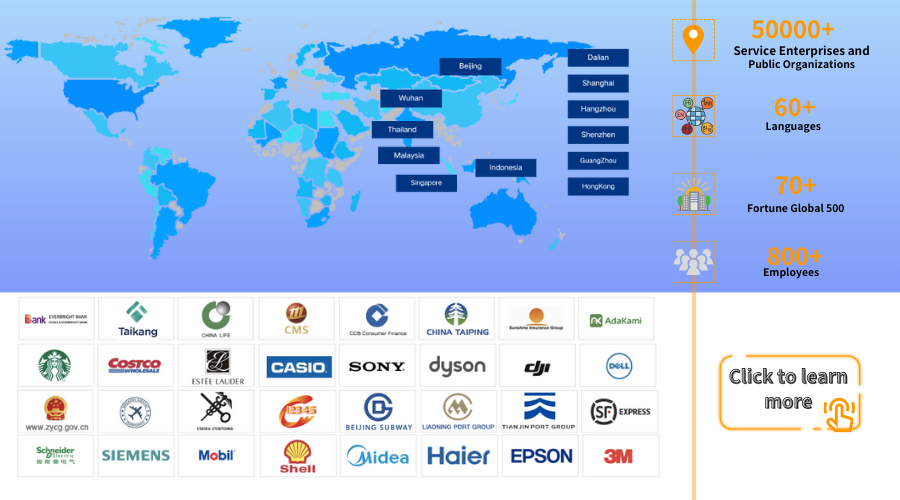



Table of contents for this article
- Why QA Scorecards Need Clear Criteria
- Customer Service QA Scorecards
- Automate Objective Checks
- Review Conversation Quality
- Keep Human Judgment for Edge Cases
- Turn Scores Into Coaching
- Estée Lauder: Use the Case Carefully
- Summary
- FAQ
- 》》Click to start your free trial of Udesk customer service solution, and experience the advantages firsthand.
Author:Eric Hayes, AI Product Specialist at Udesk. He researches LLM applications in contact centers, including AI chatbots, knowledge base and AI-powered conversation quality inspection.
Customer service teams usually have no shortage of conversation records. What they often lack is a consistent way to determine whether those conversations actually meet service standards.
A customer service QA scorecard can help businesses break service quality into specific criteria, such as whether the required process was followed, whether key information was provided, whether the response was clear, and which cases need further human review.
There is one common problem, though. When every part of QA is handed over to automation, scoring may become faster without necessarily becoming more meaningful. A more practical approach is to automate checks that can be judged objectively while leaving context-dependent decisions to human reviewers.
Why QA Scorecards Need Clear Criteria
The biggest problem with customer service QA is often inconsistency.
If different supervisors use different standards, one reviewer may consider a response complete while another may decide that important information is missing. Over time, those scores become difficult to compare or use for management.
A QA scorecard should therefore begin by defining what good service looks like.
For example, a company might check whether an agent:
Completed the required identity verification;
Provided all necessary information;
Followed the required service steps;
Handled the request according to the defined process;
Recorded the interaction correctly for follow-up.
These checks have relatively clear boundaries.
Other aspects of service are harder to reduce to a simple yes-or-no rule. Did the customer actually understand the answer? Did the agent address the customer’s real concern? Was the response complete in the context of the conversation?
Those questions may require someone to review the full interaction.
That is why a good scorecard should separate objective checks from judgment-based evaluation rather than treating every criterion in exactly the same way.
Customer Service QA Scorecards
A useful customer service QA scorecard does not need to be complicated from day one.
For many teams, it is easier to start with a simple framework covering process, information, communication, and outcomes, then refine the criteria based on real conversations.
A post-sales support team, for example, may care most about whether required service steps were completed. A financial services team may put more weight on information verification and service procedures. A B2B support team serving high-value customers may pay more attention to issue understanding, technical quality, and follow-up.
Different service environments call for different scorecards.
That is why QA criteria should reflect the company’s actual workflows rather than being copied directly from a generic template.
Udesk’s Quality Assurance capabilities provide a way to organize conversation quality checks and analysis. Businesses can define criteria around their own service requirements and then determine which checks are suitable for automation and which still need human review.

Automate Objective Checks
Some QA criteria are well suited to automation because their conditions are relatively clear.
Suppose a company requires agents to complete a specific verification step during a certain service scenario. If that step is missing from the conversation, the system can flag it for review.
Similar checks might include whether required process steps were completed, whether mandatory information was provided, or whether a defined service requirement was followed.
The main value of automation here is not simply making QA look more advanced. It is allowing teams to review a much larger share of their conversations.
When contact volume is high, manually checking every conversation is difficult to sustain. Automated checks can screen interactions first and send cases that require closer attention to QA reviewers.
The order matters.
Automation handles detection and filtering. Human reviewers handle confirmation and judgment.
When creating an AI customer service QA scorecard, companies should also resist the temptation to turn every possible criterion into a machine rule. More rules do not automatically produce better evaluation. Each item should have a clear connection to an actual service requirement.
Review Conversation Quality
Service quality is not always the same as process compliance.
An agent may complete every required step while still failing to give the customer a useful answer. A response may also contain correct information but miss the question the customer is actually asking.
These situations require a look at the full conversation.
Imagine a customer who starts with a product question but gradually turns the interaction into a complaint. If the scorecard only checks whether the standard response was sent, it may miss the fact that the customer’s needs changed during the conversation.
When reviewing conversation quality, businesses can look at whether the response was clear, complete, relevant, and aligned with the customer’s current issue. Context matters.
This is also where customer feedback can add another perspective.
Voice of the Customer can provide additional signals from customer conversations and other feedback channels. When QA findings are viewed alongside customer feedback, teams can sometimes identify interactions that appear acceptable on paper but still create friction for customers.

Keep Human Judgment for Edge Cases
Not every conversation should be judged entirely by automation.
Complaints, complex after-sales issues, cross-team coordination, and unusual customer requests often depend on context.
For example, a system may detect that an agent completed all standard steps. A QA reviewer might still discover, after reading the full conversation, that the customer had already explained the problem several times while the agent kept repeating the same response.
Technically, the process may have been followed. From a service-quality perspective, the conversation may still need attention.
That is why human review remains important.
A practical workflow is to let automation identify interactions that may require attention and then have a reviewer inspect the relevant context. This reduces the amount of manual screening without removing human judgment from the process.
Human review also gives the scorecard more flexibility. When a company launches a new service, changes a policy, or encounters a new type of customer situation, reviewers can help determine whether the existing criteria still make sense.
Turn Scores Into Coaching
Many companies complete QA reviews and then stop at the report.
The score itself is not the end goal.
Suppose a support team repeatedly scores poorly on issue confirmation over several weeks. The next management question should be why.
Maybe new agents are unclear about what they need to ask. Maybe training materials do not cover a particular issue type. Or perhaps the training is adequate, but the step is frequently skipped during busy periods.
These findings can become coaching topics.
When several agents show the same weakness, managers can turn it into a broader training theme instead of treating every case as an isolated mistake.
Insight can provide supporting analysis for QA data, helping managers identify recurring patterns and changes in service performance.
Over time, the QA scorecard becomes more than a checking mechanism. It can also provide input for agent coaching, process reviews, and service improvements.
Estée Lauder: Use the Case Carefully
The official Udesk case for Estée Lauder provides a real customer-service example that can be used as supporting evidence.
When using customer cases for QA-related content, it is important to separate what the official case explicitly documents from conclusions drawn beyond the published material. Any discussion of Estée Lauder should stay within the capabilities and outcomes stated on the official case page rather than adding unsupported scores, accuracy figures, or quality improvements.
The same principle matters when businesses evaluate case studies themselves.
A customer case can show how a specific company applied a service approach in its own environment. It does not mean the same results will automatically apply to every contact center.
For companies designing a QA framework, the more useful lesson is the operating model: define clear service standards, decide which checks can be automated, keep human review for cases that require context, and feed recurring findings back into coaching and service management.
Summary
The value of a customer service QA scorecard is not simply assigning a number to every conversation. A useful QA framework connects objective checks, conversation quality, human judgment, and coaching.
Automation can help teams review more conversations, while human reviewers remain important for complex interactions and cases where context matters. Once QA findings feed into coaching and operational analysis, quality assurance becomes part of an ongoing service-improvement process.
Udesk provides capabilities for conversation quality inspection and service analysis, allowing businesses to build QA workflows around their own service standards and operational needs.
FAQ
What should a customer service QA scorecard include?
A QA scorecard can include objective process checks, required information, conversation quality, service standards, escalation handling, and other criteria that match the company’s actual workflows.
Which QA checks can be automated?
Checks with clear and repeatable rules are generally easier to automate, such as required process steps, specific information, or defined service requirements.
Which cases still need human review?
Complex complaints, sensitive requests, unusual customer situations, and conversations that require context-based judgment should leave room for human review.
》》Click to start your free trial of Udesk customer service solution, and experience the advantages firsthand.

The article is original by Udesk, and when reprinted, the source must be indicated:https://www.udeskglobal.com/blog/customer-service-qa-scorecards-what-to-automate-and-review.html
AI quality assurance customer serviceinsights and analyticsVoice of Customer