 Customer Service Software Guides & AI Agent Blogs | Udesk
Gorgias Alternatives for Shopify Stores in 2026
767
article summary:Looking for a Gorgias alternative for Shopify? Compare top ecommerce helpdesk alternative tools with native Shopify integration, transparent pricing, and global support — no per-resolution fees.




Table of contents for this article
- 1. Why Merchants Look for a Gorgias Alternative for Shopify
- Per-ticket pricing creates unpredictable scaling costs
- Closed ecosystem limits omnichannel expansion
- Premium features come with hidden costs
- Weak support for global cross-border sellers
- 2. Top 4 Gorgias Alternatives for Ecommerce in 2026
- 1. Udesk: Best Value for Cross-Border Shopify Brands
- 2. Zendesk Suite: Enterprise-Grade Generalist Option
- 3. Freshdesk: Lightweight Entry-Level Pick
- 4. Help Scout: Simple, Minimalist Option
- 3. Key Selection Criteria for Shopify Merchants
- Prioritize native Shopify integration depth
- Prefer predictable pricing models
- Plan for omnichannel and multi-market growth
- Watch for hidden feature costs
- 4. Which Alternative Is Right for Your Store?
- FAQ
- Q1: Will switching from Gorgias disrupt my Shopify store operations?
- Q2: Is per-seat billing better than per-ticket billing for Shopify sellers?
- Q3: Do alternatives support the same Shopify in-chat actions as Gorgias?
- Q4: Can these tools manage multiple Shopify stores at once?
- 》》Click to start your free trial of Omnichannel Systems, and experience the advantages firsthand.
Gorgias is one of the most widely recognized vertical customer service tools in the Shopify ecosystem, valued for its deep native integration with the platform. But as stores scale and inquiry volumes grow, more and more Shopify merchants are searching for Gorgias alternatives. Per-ticket billing, limited channel flexibility, and weak global market support are becoming bottlenecks for expanding brands.
This guide breaks down the top ecommerce helpdesk alternative options for Shopify stores in 2026, comparing integration depth, pricing models, and scalability to help merchants find the right fit for their stage of growth.
1. Why Merchants Look for a Gorgias Alternative for Shopify
Gorgias works well for small, Shopify-only stores, but as brands expand, four core limitations drive most teams to evaluate other options.
Per-ticket pricing creates unpredictable scaling costs
Gorgias is built around per-resolution billing, with base plans only including a fixed number of tickets. Overage charges apply once that limit is exceeded. For growing stores, rising order volume and peak sales periods directly drive up support costs, often faster than revenue. This makes monthly spending highly unpredictable and difficult to budget for.
Closed ecosystem limits omnichannel expansion
The platform is deeply optimized for Shopify, but support for channels outside the Shopify ecosystem is limited. Native messaging apps like WhatsApp and LINE, social media inboxes, and additional marketplace channels lack first-class integration. Merchants with omnichannel strategies end up running multiple tools, creating siloed data and fragmented workflows.
Premium features come with hidden costs
AI-assisted replies, advanced analytics, and full quality monitoring — all essential for growing teams — are locked behind higher-priced plans or require paid add-ons. What looks like an accessible entry price quickly becomes much more expensive once core growth features are added in.
Weak support for global cross-border sellers
For China-based and global cross-border merchants, English-only support creates time zone delays and communication friction. Multilingual capabilities and local market workflows for emerging regions like Southeast Asia and Latin America are also less developed, limiting multi-market expansion.

2. Top 4 Gorgias Alternatives for Ecommerce in 2026
The following platforms are all proven Gorgias alternatives for ecommerce, each built for different merchant sizes and operational priorities.
1. Udesk: Best Value for Cross-Border Shopify Brands
Udesk is an omnichannel intelligent customer service platform built for global ecommerce, and it has emerged as a leading Gorgias alternative Shopify solution for growing cross-border brands. It stands out for its deep Shopify integration, transparent pricing, and full global market support.
- Native two-way Shopify integration: Udesk connects via official Shopify APIs, so agents can view full order details, edit shipping addresses, process refunds, and handle returns directly inside the chat workspace — no back-and-forth switching to the Shopify admin. It also supports multi-store management from a single dashboard, with no need to switch between store accounts.
- Transparent per-seat pricing with no overage fees: Udesk uses a flat per-seat subscription model. All core features — omnichannel inbox, AI chatbot, ticket workflows, basic reporting, and ecommerce integrations — are included in standard plans. There are no per-ticket overage charges, even during peak sales seasons. Total cost of ownership is significantly lower than Gorgias for comparable team sizes.
- Full omnichannel and global capabilities: It natively supports all major global channels including WhatsApp, LINE, Facebook Messenger, email, and voice. Built-in multilingual AI and real-time translation cover 30+ languages, with ecommerce-optimized models for Southeast Asia, Latin America, and Europe.
- Local support for international sellers: Udesk provides full implementation and technical support for China-based and global teams, with fast response times that match fast-paced ecommerce operating rhythms.
- Best for: Growing cross-border DTC brands, multi-market Shopify merchants, and mid-sized ecommerce teams needing unified omnichannel support.
2. Zendesk Suite: Enterprise-Grade Generalist Option
Zendesk is one of the best-known global customer service platforms, with an enormous third-party app ecosystem. It is the most common enterprise-level alternative to Gorgias.
- Strengths: Industry-wide brand recognition, thousands of integrations, and a deeply mature feature set built for large, complex organizations.
- Limitations: Shallow native ecommerce integration — Shopify connectivity relies on third-party plugins. Pricing is high with many add-on costs, making it poor value for small and mid-sized sellers. Setup and administration are also complex.
- Best for: Large enterprise Shopify brands with headquarters overseas and complex organizational requirements.
3. Freshdesk: Lightweight Entry-Level Pick
Freshdesk, from Freshworks, is a lightweight helpdesk platform known for accessible pricing and straightforward functionality. It works well as a budget-friendly entry-level option.
- Strengths: Fixed per-seat pricing, low entry cost, and solid core ticket and chat functionality. The interface is intuitive with a short learning curve.
- Limitations: Shopify integration depth is basic, with limited native ecommerce workflow support. AI capabilities and emerging market channel coverage are weak for scaling brands.
- Best for: Small Shopify stores, startup sellers, and low-volume niche brands with simple support needs.
4. Help Scout: Simple, Minimalist Option
Help Scout focuses on clean, easy-to-use email and chat support, built for small teams that want simplicity over extensive features.
- Strengths: Clean, uncluttered interface, focused core functionality, and almost no onboarding required.
- Limitations: Very basic feature set with no deep ecommerce integration, smart routing, or AI automation. Teams quickly outgrow it as volume increases.
- Best for: Micro-sized Shopify stores and solo-operator niche brands.
3. Key Selection Criteria for Shopify Merchants
When evaluating Gorgias alternatives for Shopify, focus on these four core factors rather than chasing the longest feature list.
Prioritize native Shopify integration depth
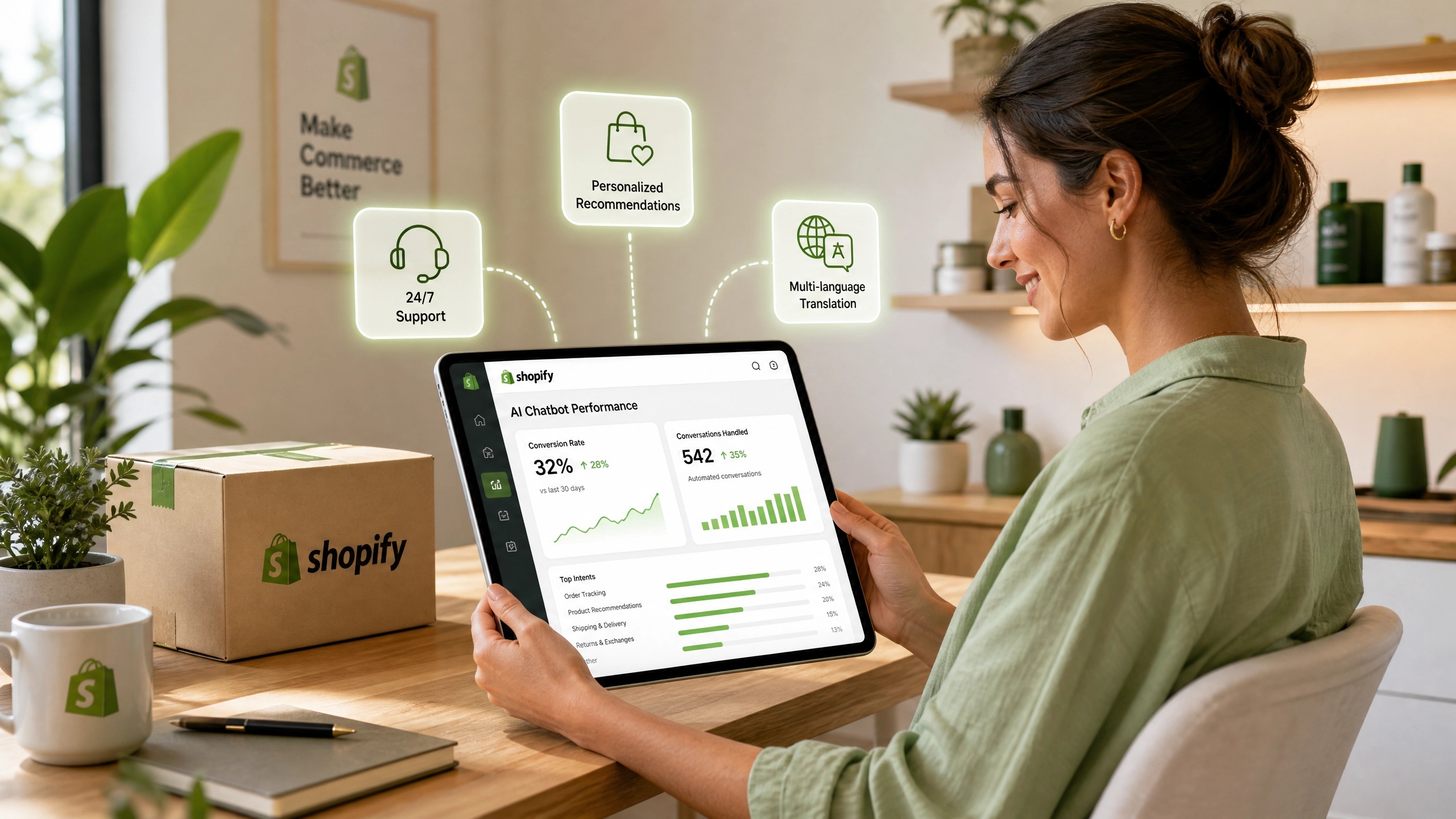
Always choose tools with official, two-way API integration. This ensures agents can handle orders, refunds, and updates without leaving the support workspace, which is the baseline for matching or improving on the Gorgias experience.
Prefer predictable pricing models
Fixed per-seat subscription pricing is a better fit for most growing Shopify stores than usage-based billing. Fixed costs are far easier to budget for, especially for merchants with seasonal peaks and growing inquiry volumes.
Plan for omnichannel and multi-market growth
Even if you only run a single Shopify store today, choose a platform that supports additional channels and markets. This avoids the cost and disruption of switching systems later as you expand.
Watch for hidden feature costs
Verify that core ecommerce features — AI support, multi-store management, reporting — are included in standard plans, rather than locked behind expensive premium tiers that drive up total spending.
4. Which Alternative Is Right for Your Store?
- Growing cross-border brands with multi-market omnichannel strategies: Udesk is the strongest overall choice. It delivers Shopify parity on integration depth, with predictable pricing, global channel support, and room to scale internationally.
- Very small stores with simple needs and tight budgets: Freshdesk or Help Scout cover basic requirements while keeping initial costs low.
- Large enterprise brands with heavy Western tool stacks and big budgets: Zendesk Suite is a viable option for matching complex enterprise requirements.
FAQ
Q1: Will switching from Gorgias disrupt my Shopify store operations?
A: No. Mature ecommerce helpdesk alternative platforms use official Shopify integrations and support smooth migration of historical tickets and customer data. The switch is invisible to customers, and normal support operations continue without interruption. Udesk also provides dedicated implementation support to handle migration and configuration.
Q2: Is per-seat billing better than per-ticket billing for Shopify sellers?
A: For most growing stores with seasonal volume spikes, yes. Per-ticket billing scales directly with sales and can spike dramatically during promotions. Per-seat pricing stays stable and predictable as your business grows, making it much easier to plan budgets long-term.
Q3: Do alternatives support the same Shopify in-chat actions as Gorgias?
A: Any tool with official native API integration will support core ecommerce actions. Udesk, for example, offers full two-way Shopify connectivity — agents can look up orders, edit addresses, process refunds, and manage returns directly inside the chat, matching the Gorgias workflow while adding more cross-channel context.
Q4: Can these tools manage multiple Shopify stores at once?
A: Yes. Platforms like Udesk support unified multi-store management, with all inquiries from every store flowing into one dashboard. Routing, quality monitoring, and reporting all work across stores, eliminating the need to switch between admin panels and improving multi-store operational efficiency.
》》Click to start your free trial of Omnichannel Systems, and experience the advantages firsthand.

The article is original by Udesk, and when reprinted, the source must be indicated:https://www.udeskglobal.com/blog/gorgias-alternatives-for-shopify-stores-in-2026.html
Best alternativeshelp desk software
next: Freshdesk vs Udesk: Which Is Better for Global Support in 2026?prev: Zendesk Alternatives for Cross-Border E-commerce in 2026