 Customer Service Software Guides & AI Agent Blogs | Udesk
Zendesk Alternatives for Cross-Border E-commerce in 2026
611
article summary:Looking for a Zendesk alternative for cross-border ecommerce? Compare top global Zendesk alternative tools for online sellers, with deep e-commerce integration, global channel support, and transparent pricing.
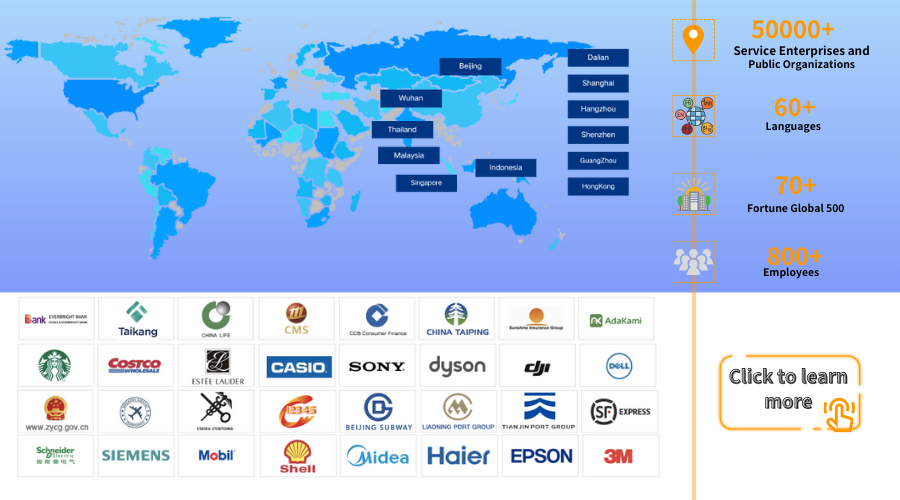



Table of contents for this article
- 1. Why Cross-Border Sellers Seek Zendesk Alternatives
- Opaque pricing and hidden costs
- Shallow e-commerce integration
- Limited emerging market coverage
- Weak localization support for global China-based teams
- 2. Top Zendesk Alternatives for Ecommerce in 2026
- 1. Udesk: Best Value for China-Based Global Sellers
- 2. Freshdesk: Strong Entry-Level Option for Small Western-Focused Sellers
- 3. LiveAgent: Solid Omnichannel Pick for EU-Based Teams
- 3. Key Selection Criteria for a Global Zendesk Alternative
- Native e-commerce integration depth
- Global market coverage
- Transparent pricing structure
- Localized support alignment
- 4. Which Alternative Is Right for You?
- FAQ
- Q1: Will switching from Zendesk to another platform require complicated data migration?
- Q2: Is it worth replacing Zendesk for a small cross-border business?
- Q3: How do I verify compliance for a global customer service tool?
- 》》Click to start your free trial of Omnichannel Systems, and experience the advantages firsthand.
Zendesk is one of the most widely recognized customer service platforms in the world, with a strong reputation among enterprise teams. However, for cross-border e-commerce sellers, its general-purpose design, layered pricing structure, and limited regional localization often fail to match the unique needs of global online retail. As a result, more and more merchants are searching for a Zendesk alternative cross-border solution built specifically for ecommerce use cases.
This guide breaks down the top Zendesk alternatives for ecommerce in 2026, focused on global market coverage, native e-commerce integration, and transparent pricing. For a side-by-side breakdown of the two leading platforms, visit our full Udesk vs Zendesk comparison page.

1. Why Cross-Border Sellers Seek Zendesk Alternatives
Zendesk excels at general enterprise support workflows, but it presents consistent pain points for e-commerce brands operating across borders. Four core issues drive most sellers to evaluate alternative tools.
Opaque pricing and hidden costs
Base plans include only core ticketing and chat functionality. High-priority e-commerce features — such as advanced AI chatbots, deep platform integrations, and quality monitoring — require paid add-ons. Usage-based AI overage charges also mean total costs often far exceed list price, making budgeting unpredictable for growing sellers.
Shallow e-commerce integration
As a horizontal solution, Zendesk relies on third-party plugins to connect to Shopify and other e-commerce platforms. These integrations often have limited data sync capabilities, and agents cannot complete returns, refunds, or address updates directly inside the chat window. This creates extra workflow friction and slows down resolution times.
Limited emerging market coverage
Product development and channel support are heavily focused on North American and European markets. Native messaging apps, local payment workflows, and less common languages in Southeast Asia, Latin America, and the Middle East receive far less investment, creating gaps for sellers with multi-region growth strategies.
Weak localization support for global China-based teams
Support for Chinese cross-border sellers is primarily offered in English, with no dedicated domestic service team. Time zone delays and language barriers slow down issue resolution, implementation, and custom requests — a poor fit for the fast-paced iteration cycles of e-commerce.
2. Top Zendesk Alternatives for Ecommerce in 2026
The following platforms are all proven global Zendesk alternative options for cross-border sellers, each with different strengths and ideal use cases.
1. Udesk: Best Value for China-Based Global Sellers
Udesk is an omnichannel intelligent customer service platform built specifically for cross-border e-commerce and global expansion. It has emerged as one of the most popular Zendesk alternative cross-border solutions for Chinese sellers, thanks to its deep e-commerce optimization, full global coverage, and transparent pricing model.
- Native global channel support: Udesk covers all major global markets including Europe, Southeast Asia, Latin America, and the Middle East. It offers native integration with regional channels such as WhatsApp, LINE, Shopee, Lazada, and Mercado Libre, unifying website chat, social media, marketplace chat, and voice support in a single dashboard.
- Deep e-commerce workflows: Udesk features official, bidirectional integration with Shopify and other leading independent store platforms. Agents can view full order, shipping, and return data directly in the conversation, and process refunds, address changes, and return requests without switching backends. It also includes pre-built templates for cross-border-specific workflows like COD confirmation and installment payment support.
- Comprehensive multilingual capabilities: The platform supports 30+ major global languages, with AI models trained specifically for e-commerce use cases. Built-in real-time translation allows domestic teams to handle multilingual inquiries efficiently, reducing reliance on expensive native-speaking agents.
- Transparent, predictable pricing: All core features — including omnichannel support, AI chatbots, and e-commerce integrations — are included in standard plans, with no hidden fees or per-conversation AI overage charges. Total cost of ownership is significantly lower than Zendesk for comparable feature sets.
- Localized service for Chinese teams: Udesk provides full Chinese-language implementation, operations, and technical support, with domestic teams available 24/7. This aligns with the operating rhythm of China-based sellers and delivers much faster issue resolution than purely overseas vendors.
Best for: China-based cross-border brands, multi-region DTC sellers, and growing mid-market e-commerce teams looking for the strongest balance of features, cost, and support.
2. Freshdesk: Strong Entry-Level Option for Small Western-Focused Sellers
Freshdesk is a well-known lightweight customer service platform and one of the most widely cited budget Zendesk alternatives for ecommerce. It takes a generalist approach, with simple, approachable functionality for small teams.
- Strengths: Low entry price, solid core ticketing and omnichannel capabilities, and a large app ecosystem that integrates with most common Western business tools.
- Limitations: Like Zendesk, it is a horizontal solution with limited native e-commerce depth. Complex after-sales workflows require custom work, and support for emerging market channels and languages is weak.
Best for: Small sellers focused exclusively on North American or European markets with simple support needs and tight initial budgets.
3. LiveAgent: Solid Omnichannel Pick for EU-Based Teams
LiveAgent is a European customer service platform known for strong omnichannel aggregation and competitive pricing, with solid adoption among small and mid-sized Western European e-commerce brands.
- Strengths: Robust omnichannel unification across chat, email, social, and voice, with built-in call center functionality and flexible pricing.
- Limitations: Product focus is heavily centered on European and North American markets, with minimal support for emerging market channels. There is no Chinese-language support or local service for China-based teams, creating a high barrier to entry for domestic operations.
Best for: Europe-based sellers with fully local teams, and brands focused exclusively on mature Western markets.
3. Key Selection Criteria for a Global Zendesk Alternative
When evaluating Zendesk alternatives for ecommerce, cross-border sellers should prioritize four core factors rather than chasing the longest feature list.
Native e-commerce integration depth
Prioritize platforms with official, first-party integrations to your store and marketplace platforms, with full order data sync and in-chat after-sales actions. General-purpose tools relying on third-party plugins will create ongoing workflow friction.
Global market coverage
Verify that the platform supports the local channels, languages, and compliance requirements of your current and target markets. Choosing a tool with broad global coverage avoids the need to switch systems as you expand into new regions.
Transparent pricing structure
Look for all-inclusive plans that bundle core e-commerce features, AI capabilities, and integrations. Avoid platforms where critical functionality is locked behind add-ons or usage-based overage fees, as these quickly lead to budget overruns.
Localized support alignment
For teams based in China, Chinese-language implementation and technical support has a major impact on deployment speed and day-to-day issue resolution. This is often an underrated factor that makes a significant difference in long-term value.
4. Which Alternative Is Right for You?
The best choice depends on your team structure, market focus, and growth stage:
- For China-based sellers with multi-region growth plans, Udesk delivers the strongest overall value as a Zendesk alternative cross-border solution. Its deep e-commerce focus, full global coverage, transparent pricing, and local Chinese support make it uniquely aligned with the needs of growing cross-border brands.
- For very small sellers focused only on Western markets, entry-level tools like Freshdesk can cover basic requirements while keeping initial costs low.
- For fully localized Western teams with no China-based operations, regional platforms such as LiveAgent can be a strong fit for local market preferences.
There is no single best customer service platform for every business — the right choice depends on your markets, team structure, and operational needs. While Zendesk works well for large generalist enterprises, most cross-border e-commerce sellers will find better value and stronger fit from a vertical, ecommerce-focused global Zendesk alternative.
As a leading Zendesk alternative cross-border solution, Udesk combines deep e-commerce integration, global market coverage, transparent pricing, and dedicated local support for Chinese sellers. To see exactly how it stacks up feature by feature, visit our complete Udesk vs Zendesk comparison page for a full, side-by-side breakdown.https://www.udeskglobal.com/solutions/udesk-vs-zendesk
FAQ
Q1: Will switching from Zendesk to another platform require complicated data migration?
A: Mature customer service platforms offer standardized data migration services for historical tickets, customer records, and knowledge base content. Professional implementation teams handle the full transition and configuration alignment, with minimal disruption to daily operations.
Q2: Is it worth replacing Zendesk for a small cross-border business?
A: It is worth evaluating if your current costs are exceeding budget, or if poor e-commerce integration is slowing down your team. Many e-commerce-focused alternatives deliver better fit and lower total cost, often reducing expenses while improving operational efficiency.
Q3: How do I verify compliance for a global customer service tool?
A: Prioritize platforms with internationally recognized security certifications such as GDPR compliance and ISO 27001, and that offer local data residency options for your target markets. This ensures you can meet regional data protection requirements out of the box.
》》Click to start your free trial of Omnichannel Systems, and experience the advantages firsthand.
The article is original by Udesk, and when reprinted, the source must be indicated:https://www.udeskglobal.com/blog/zendesk-alternatives-for-cross-border-e-commerce-in-2026.html
next: Gorgias Alternatives for Shopify Stores in 2026prev: Best Intercom Alternatives for SMBs in 2026