 Customer Service Software Guides & AI Agent Blogs | Udesk
Customer Service for European Cross-Border Sellers: A GDPR-Compliant Guide
article summary:Understand GDPR requirements for support data, multilingual best practices, and local channel strategy for EU ecommerce. Build compliant European cross-border customer service with confidence.
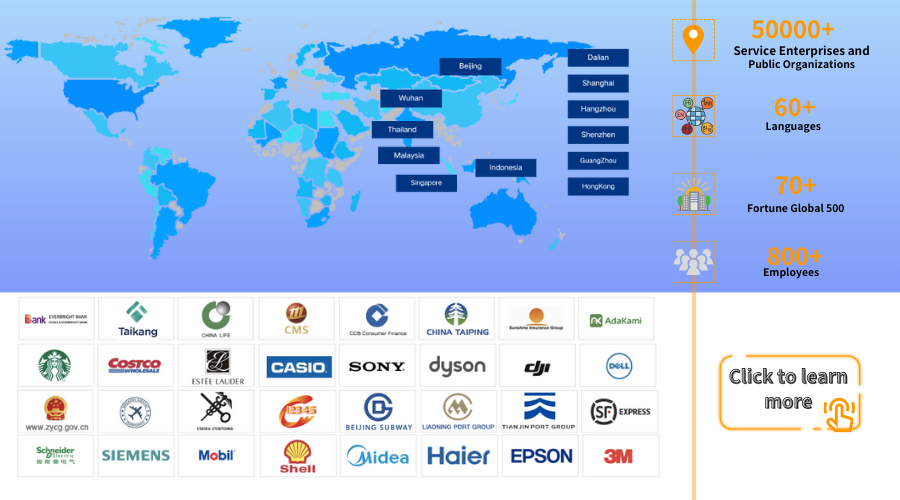



Table of contents for this article
- 1. Core Challenges for European Cross-Border Customer Service
- Rigid GDPR Compliance Obligations
- Market Fragmentation and Operational Complexity
- 2. Key GDPR Requirements for Customer Support Operations
- Data Collection: Minimization and Transparent Consent
- Storage and Cross-Border Transfer: Data Residency
- User Rights: Access, Rectification, and Erasure
- Internal Governance: Access Controls and Retention Schedules
- 3. Localized Customer Service Best Practices for the EU
- Layered Multilingual Support Model
- Local Channel Strategy by Region
- Localized After-Sales Processes
- 4. Selecting a GDPR-Compliant Customer Service Platform
- Data Residency and Compliance Credentials
- End-to-End Data Security
- Local Channel and Language Support
- Flexible Data Management Tools
- Solution Spotlight: Udesk for GDPR-Compliant Support
- 5. A 3-Step Roadmap to Compliant EU Customer Service
- FAQ
- Q1: How long can we store customer support chat logs under GDPR?
- Q2: Do we absolutely have to store customer service data inside the EU?
- Q3: Do small sellers also need to follow GDPR for customer support?
- 》》Click to start your free trial of Udesk customer service solution, and experience the advantages firsthand.

1. Core Challenges for European Cross-Border Customer Service
Rigid GDPR Compliance Obligations
GDPR imposes strict rules on the collection, storage, use, and cross-border transfer of personal data. In customer service, chat transcripts, call recordings, contact details, and order information all qualify as protected personal data.
Many generic support tools carry inherent compliance risks, such as unregulated cross-border data transfers, indefinite data retention, and loose access controls. For sellers targeting Europe, compliance is not an optional improvement — it is a baseline requirement for market access.
Market Fragmentation and Operational Complexity
2. Key GDPR Requirements for Customer Support Operations
Data Collection: Minimization and Transparent Consent
All data collected through support interactions must follow the principle of data minimization — only information strictly necessary to resolve the customer’s issue may be collected. Excessive or unrelated data must not be gathered.
Transparency is also required: users must be clearly informed about what data is collected, how it will be used, how long it will be stored, and how it will be processed. For example, live chat widgets should display a privacy notice before a conversation begins, and voice support should clearly state if a call is being recorded and for what purpose.
Storage and Cross-Border Transfer: Data Residency
- Storing data on servers located within the EU, known as data residency, is the most straightforward and low-risk approach;
- If data must be transferred outside the EU, it must be done under an approved legal mechanism. Unregulated transfers of chat logs or personal data to servers outside the EU create significant compliance exposure.
User Rights: Access, Rectification, and Erasure
- Users have the right to access their support records, request correction of inaccurate personal information, and request deletion of their data (the “right to be forgotten”);
- Companies must have standardized workflows to respond to these requests within statutory timeframes, without undue delay.
Internal Governance: Access Controls and Retention Schedules
- Data retention: Support chat logs and call recordings must not be stored indefinitely. A clear, justified retention period should be defined, and data should be automatically deleted or anonymized once that period expires. Indefinite storage increases compliance risk.
- Access control: Role-based access permissions should restrict sensitive customer data to authorized staff only. All data access and actions should be logged for audit purposes, reducing internal data risk.
3. Localized Customer Service Best Practices for the EU
Layered Multilingual Support Model
- Core markets: For major markets such as the UK, Germany, and France, use a hybrid model — AI handles routine inquiries while native-speaking agents manage complex and escalated cases;
- Smaller language markets: Start with English as a common baseline, supported by real-time translation tools for basic inquiries. Add native-language support as volume and revenue grow;
- Localized content: All scripts, privacy notices, and policy explanations should be reviewed by native speakers to avoid awkward literal translation and align with local communication norms.
Local Channel Strategy by Region
- Universal core channels: Website live chat and support email are standard across all markets and serve as formal, compliance-aligned service entry points;
- Messaging apps: WhatsApp has strong penetration across Western and Southern Europe, and is widely used for order updates and after-sales follow-up. Always integrate through official, compliant APIs to protect account security and data integrity;
- Voice support: Markets such as Germany and the Nordics have a strong preference for phone support. Local EU phone numbers improve trust and resolution efficiency, and are particularly valuable for higher-AOV brands.
Localized After-Sales Processes

4. Selecting a GDPR-Compliant Customer Service Platform
Data Residency and Compliance Credentials
End-to-End Data Security
Local Channel and Language Support
Flexible Data Management Tools
Solution Spotlight: Udesk for GDPR-Compliant Support
- Core compliance infrastructure: Udesk operates local data nodes within the EU to support in-region data residency, meeting core GDPR storage and transfer requirements. The platform holds multiple international security certifications including ISO 27001 and provides standard DPAs to support customer compliance audits.
- Local operational support: As a unified European cross-border customer service platform, Udesk natively integrates with website chat, email, WhatsApp, and local EU phone numbers. It also includes comprehensive multilingual AI and real-time translation capabilities for efficient multi-market operations.
- Built-in compliance tools: Configurable data retention rules, role-based permissions, and full audit logging help teams meet GDPR requirements out of the box. Built-in tools for user data access and deletion requests reduce manual compliance workload.
- For China-based sellers, full Chinese-language implementation and technical support further reduces deployment friction and speeds up time to launch.
5. A 3-Step Roadmap to Compliant EU Customer Service
- Audit current state first: Conduct a full inventory of all customer data collected through support channels, map how it is stored and transferred, and identify existing compliance gaps and risk priorities.
- Deploy platform and processes in parallel: Select a GDPR-aligned support platform, and at the same time build standardized workflows for user data requests and compliant after-sales handling, embedding compliance into daily operations.
- Train teams and iterate over time: Run dedicated compliance training for support teams to clarify data handling rules and boundaries. Conduct regular compliance reviews, and update processes as the business expands or regulations evolve.
FAQ
Q1: How long can we store customer support chat logs under GDPR?
Q2: Do we absolutely have to store customer service data inside the EU?
Q3: Do small sellers also need to follow GDPR for customer support?
》》Click to start your free trial of Udesk customer service solution, and experience the advantages firsthand.

The article is original by Udesk, and when reprinted, the source must be indicated:https://www.udeskglobal.com/blog/customer-service-for-european-cross-border-sellers-a-gdpr-compliant-guide.html
customer servicecustomer support software